

What We Do
The Federation of Hazara Councils of Australia (FHCA) works to promote human rights, equality, inclusion, and meaningful participation for people of Afghanistan, including Hazara and other marginalised and underrepresented communities. Through advocacy, cultural engagement, social participation, and policy dialogue, we seek to strengthen communities, foster social cohesion, and contribute to a more diverse, inclusive, and united Australia, while advancing these values nationally and internationally.
01.
— We Strengthen
FHCA works collaboratively with partners across Australia and internationally to promote the wellbeing and quality of life of people of Afghanistan, including marginalised, underrepresented, and vulnerable communities. We promote Australian democratic values, equality, respect for the rule of law, and human dignity. We encourage women’s leadership and support civic, democratic, and community participation, contributing to more inclusive and connected communities.
02.
— We Build Network
We promote advocacy initiatives and create meaningful platforms for dialogue and collaboration with our partners, communities, and stakeholders across Australia and internationally. These platforms provide opportunities to share diverse perspectives, experiences, challenges, and aspirations, while strengthening inclusion, social cohesion, civic participation, and shared Australian values.
03.
— We Educate
FHCA is committed to advancing and defending human rights, including the fundamental right to freedom of peaceful assembly. Through our national and international engagement, we advocate for equality, dignity, civic participation, and the protection of fundamental freedoms for all, particularly marginalised and underrepresented communities.
04.
— We Consult
At FHCA, we value inclusive and consultative decision-making. We work closely with our partners, communities, and stakeholders to ensure that diverse perspectives are heard and considered in shaping our priorities, policies, and initiatives.
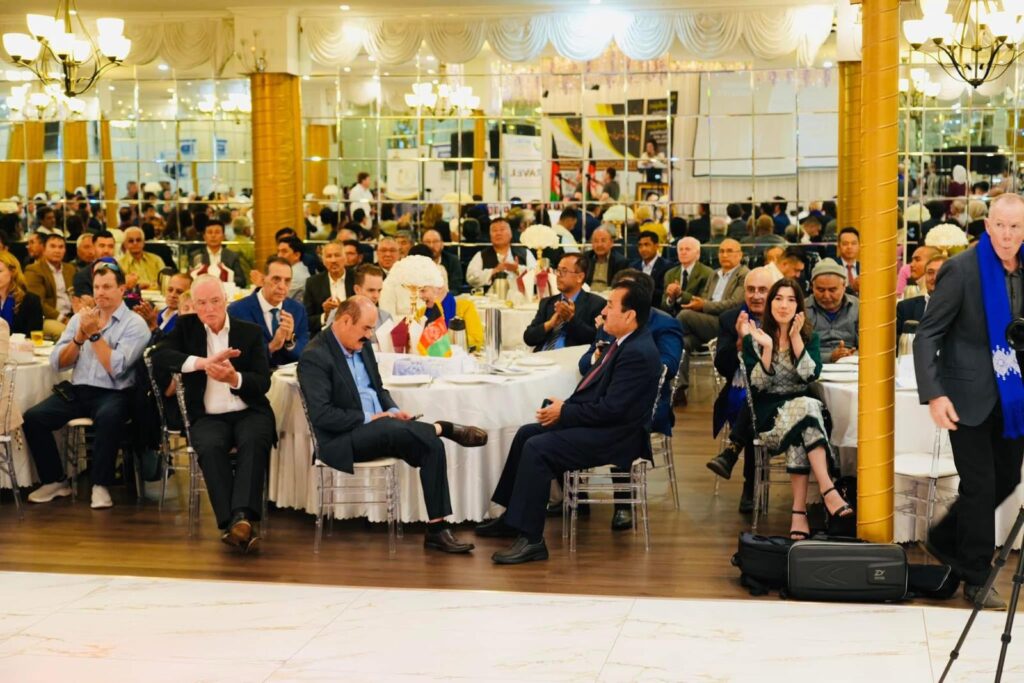
The Federation of Hazara Councils of Australia (FHCA) is committed to promoting inclusion, equality, opportunity, and community empowerment. Through advocacy, education, capacity building, and community initiatives, we support individuals and communities in strengthening participation, leadership, self-reliance, and social and economic wellbeing. Our work extends nationally and internationally, with a particular focus on people of Afghanistan, including marginalised, underrepresented, and vulnerable communities.
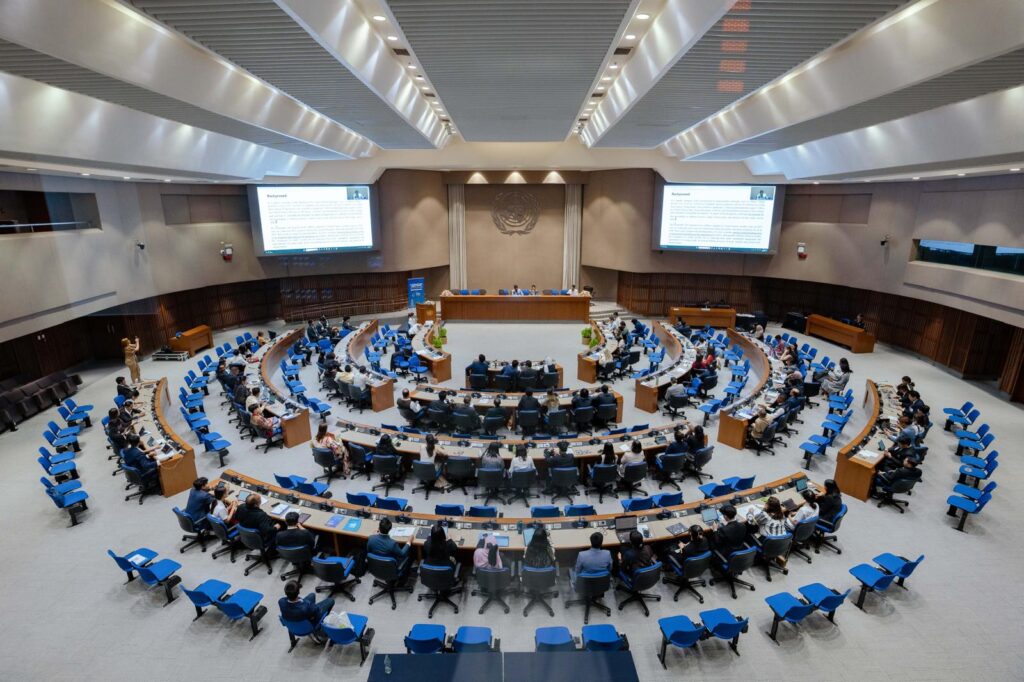
Advocacy is at the core of FHCA’s work. We engage with governments, multicultural organisations, civil society, and international institutions to promote policies and practices that advance human rights, equality, inclusion, and protection from discrimination. Our national and international engagement also addresses issues affecting people of Afghanistan, including marginalised, underrepresented, and vulnerable communities, while contributing their perspectives to broader human rights discussions through platforms such as the United Nations.
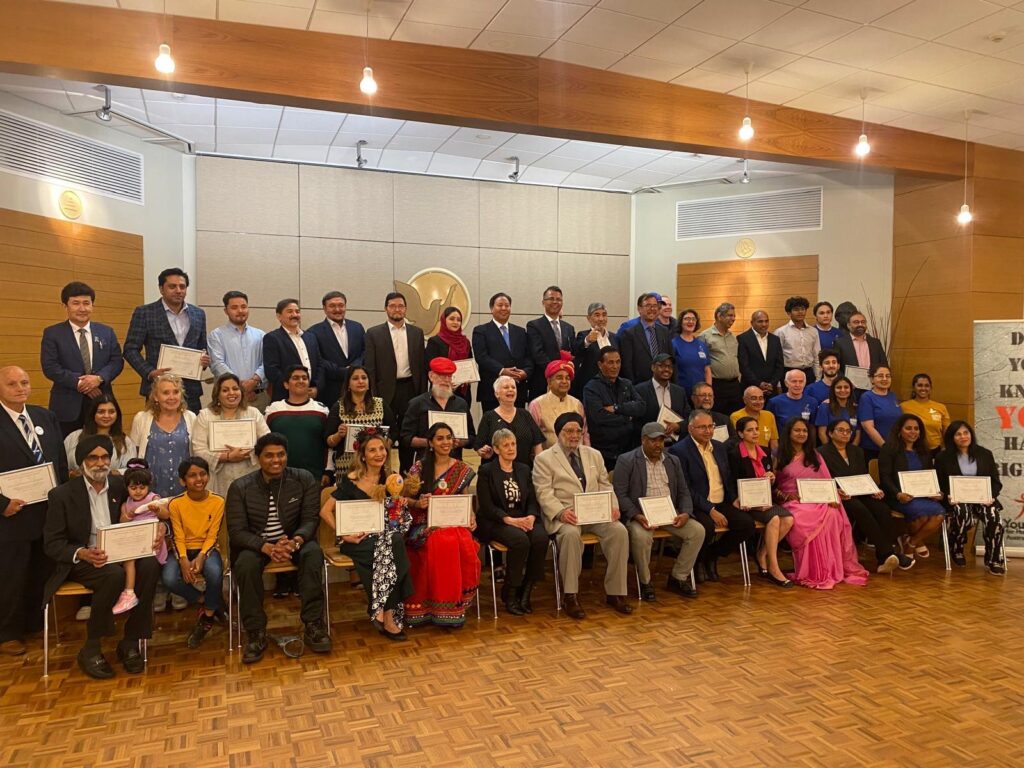
Alongside our policy and human rights advocacy, FHCA is committed to strengthening communities and fostering social cohesion. We organise community events, cultural activities, educational programs, and opportunities for dialogue that encourage participation, mutual understanding, and connection among diverse communities across Australia. We also promote cultural heritage as part of Australia’s rich multicultural identity while building stronger relationships within and beyond our communities.
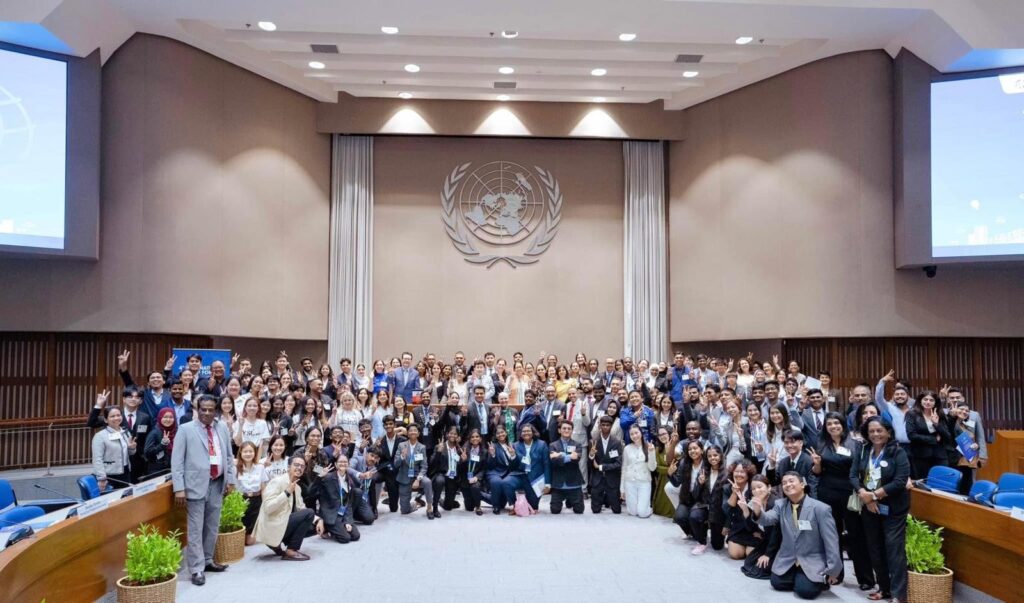
FHCA is committed to strengthening national and international engagement and ensuring that the perspectives and concerns of people of Afghanistan, including marginalised and underrepresented communities, are heard on global platforms. Through participation in international forums, including the 18th International Human Rights Summit and the 4th International Youth Forum, we contribute to dialogue on human rights, equality, justice, and humanitarian issues, while building partnerships and advancing meaningful international cooperation.
